



Product Description
Waste Heat Utilization System: Transform Exhaust Flue Gas into Pure Fuel Savings
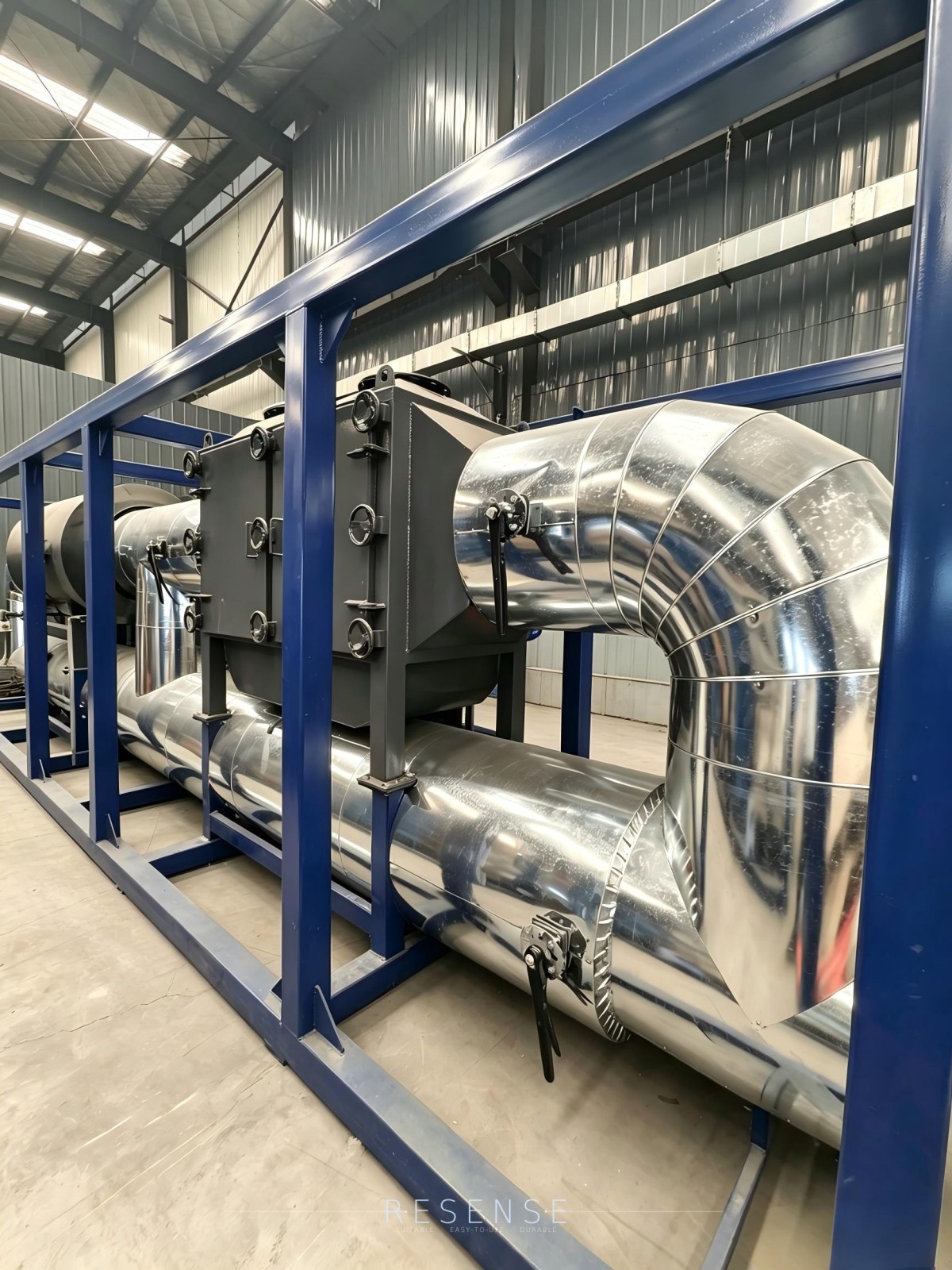
In heavy-duty hot-dip galvanizing, up to 30% of thermal energy can be lost through the furnace exhaust stack. Transforming this wasted heat into usable energy is the fastest way to slash your plant's carbon footprint and utility bills.
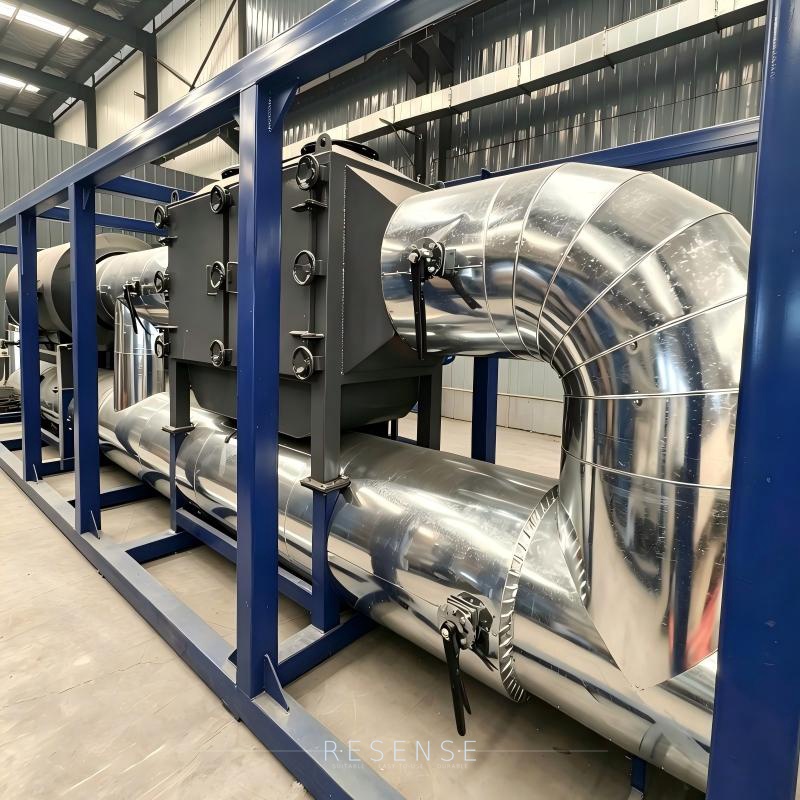
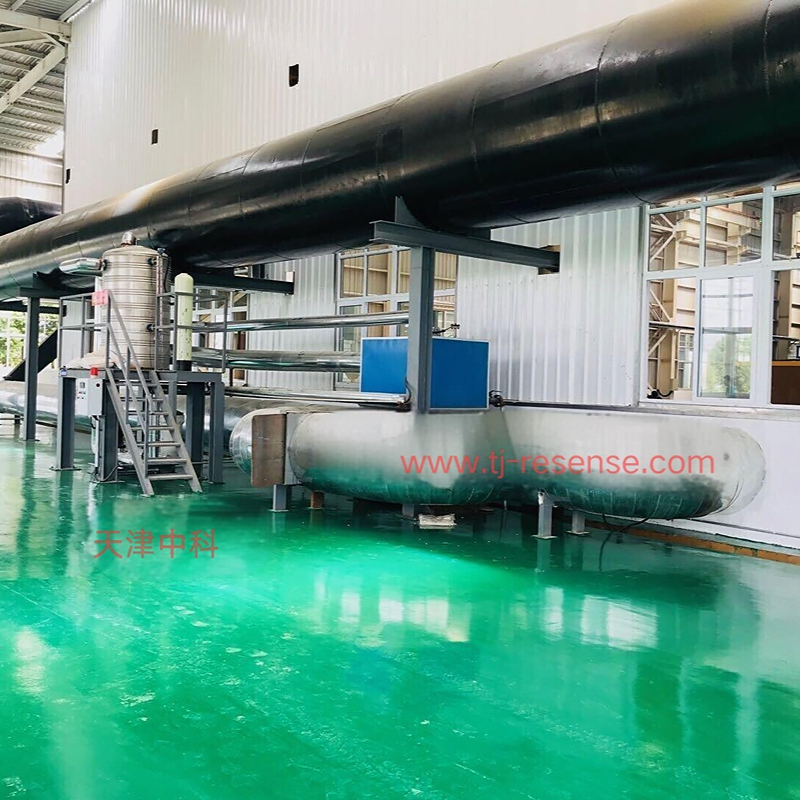
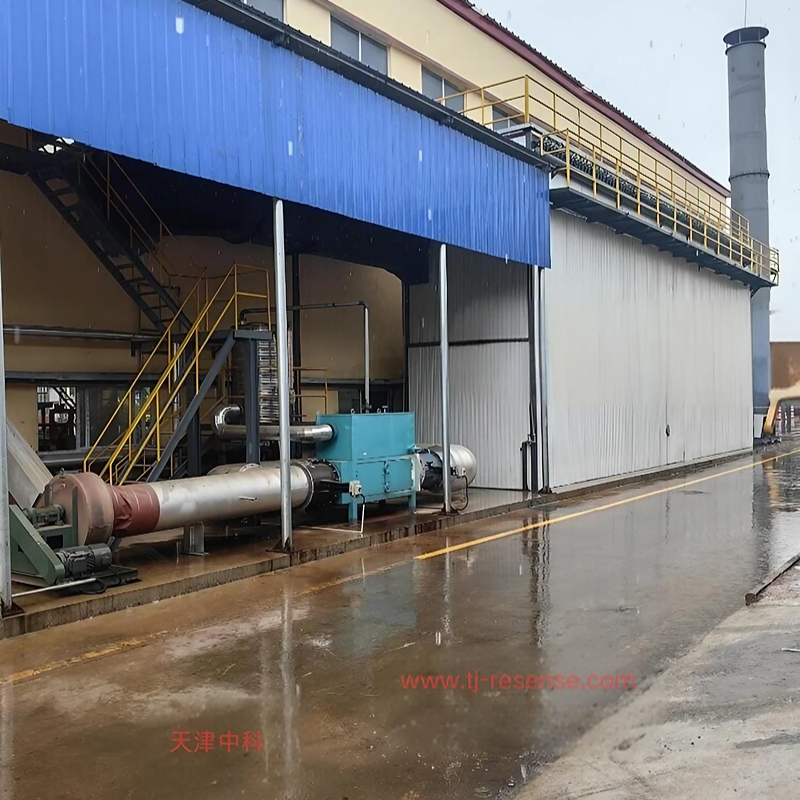
As China's pioneer in manufacturing large-scale hot-dip galvanizing equipment, Resense delivers highly engineered Waste Heat Utilization Systems (Economizers). Seamlessly integrated with our pulse-fired furnaces, our heat recovery units repurpose high-temperature flue gas to heat your pre-treatment tanks or combustion air—delivering up to 10% - 30% in additional fuel savings.
Key Benefits & Thermal Engineering
Dual-Purpose Energy Recovery (Air & Liquid Heating)
The Resense system features a smart multi-stage heat exchanger design:
Air Preheating: Cool combustion air is preheated up to 200°C+ before entering the burners, drastically accelerating chemical ignition and saving raw gas.
Flux/Water Tank Heating: Residual heat is transferred via a heavy-duty heat exchanger to maintain precise, warm temperatures in your fluxing or degreasing tanks without drawing secondary electricity or steam.
2. Premium Corrosion-Resistant Alloys
Flue gas from hot-dip galvanizing lines can contain trace corrosive elements. To combat this, Resense utilizes high-grade, acid-resistant stainless steel ($SS316L$ or specialized Duplex Steel) and heavy-duty fluoropolymer linings for our heat-exchanging tubes. This prevents chemical scaling, guarantees high thermal conductivity, and ensures a decades-long operating life.
3. Seamless Integration with Pulse-Fired Furnaces
Our system doesn't run in isolation. Managed by a unified Siemens PLC control network, the waste heat recovery rate dynamically auto-adjusts based on the real-time firing cycles and exhaust volumes of the galvanizing furnace. This ensures optimized air pressure balances and zero backpressure risk to your main burners.
4. Rapid ROI & Carbon Compliance
By recovering what you already paid for, most Resense clients experience a total return on investment (ROI) within 12 to 18 months. Additionally, lowering fuel consumption helps your facility easily comply with strict global carbon taxes and ESG (Environmental, Social, and Governance) manufacturing audits.
Technical Specifications